Problem
Traditional fracture trainers are often static: they teach shape but not behaviour. We wanted a platform that makes trainees feel realistic cues (flow, compliance, feedback), and that can measure how the trainee performs — not just whether it “looks right”.
What I built
- Fluidic pump architecture to simulate pulsatile flow through channels.
- Subcutaneous force sensing to capture interaction forces during casting.
- Real-time “pain index” concept on an ESP32 to turn rough handling into a measurable signal.
- Rapid prototyping workflow (CAD → print → test → iterate) to keep development fast.
System overview
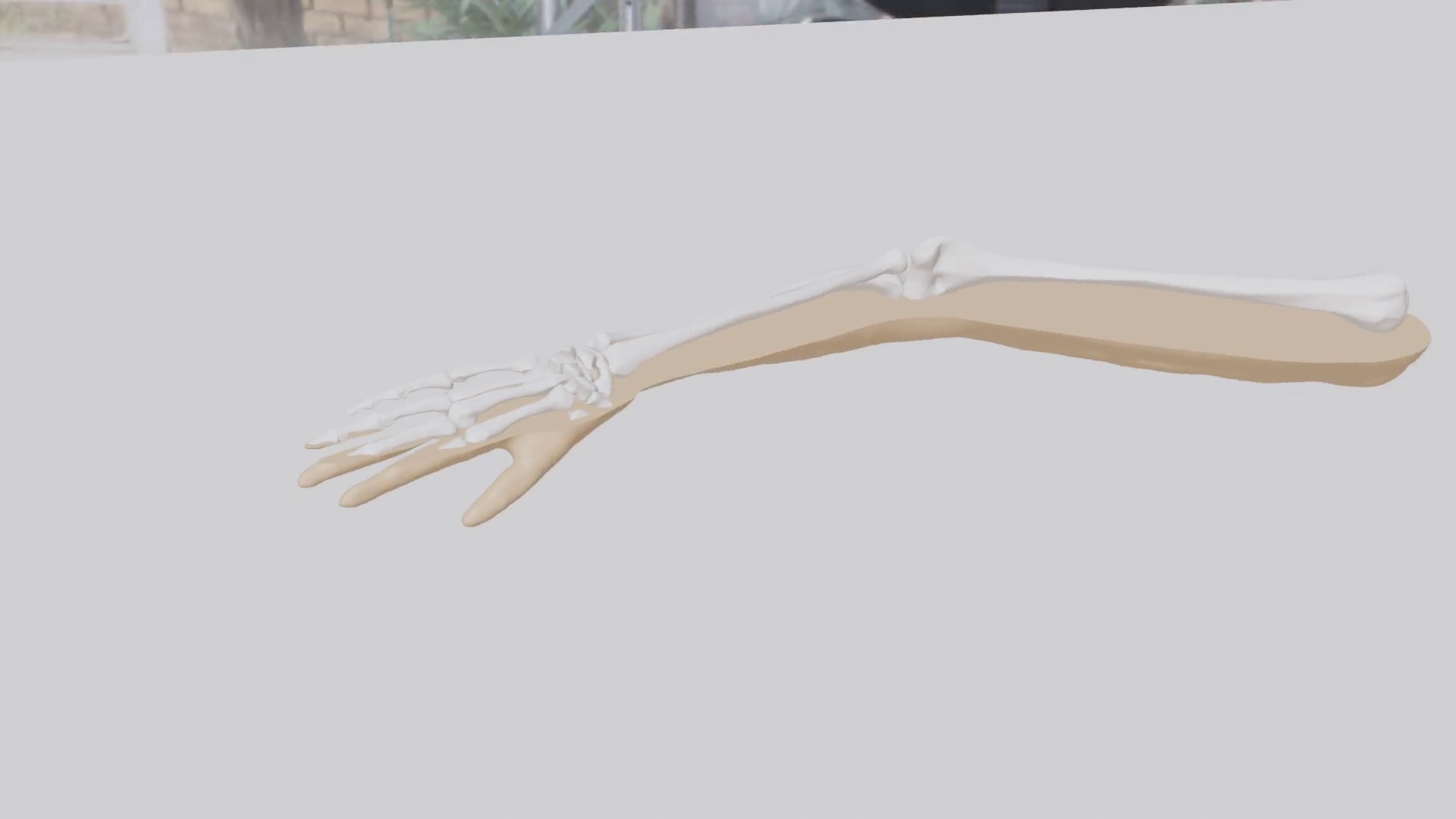
- Anatomical core: 1:1 scale forearm and hand as the integration chassis
- Flow pumping system: programmable pulsatile flow to replicate vascular behaviour
- Haptics: actuators embedded in soft tissue to produce physiological cues
- Sensing: force / interaction measurements for feedback + performance scoring
- UI: simple interface for modes, calibration, and recording
Design decisions (examples)
- Prioritised accessibility and cost over “perfect anatomy” — the goal is training volume and repeatable learning.
- Designed subsystems so each can be tested in isolation before full integration (reduces integration pain).
Next steps
- Add repeatable calibration routines (baseline, drift checks).
- Collect pilot user data to tune thresholds and validate the “pain index” against expert assessment.